
Aluminum remains one of the most popular materials for CNC machining, prized for its excellent strength-to-weight ratio, good machinability, and corrosion resistance. From aerospace components to consumer electronics housings, its applications are nearly limitless. However, even experienced machinists frequently face a common challenge: burrs.
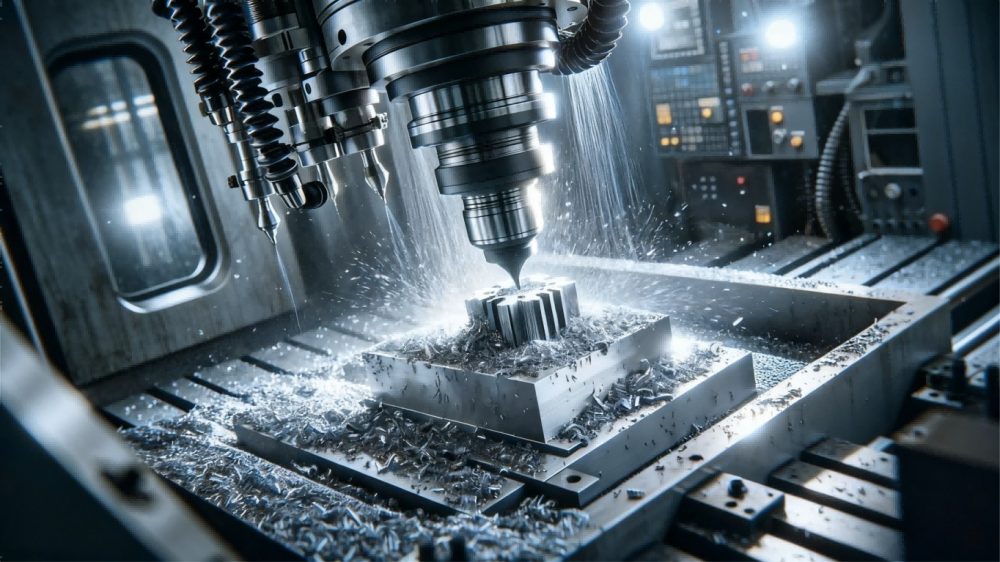
Burrs are small, irregular protrusions of material that form along the edges of a part during machining. While they may seem like a minor issue, burrs can have serious consequences:
- Compromise part assembly and function
- Diminish product aesthetics
- Become potential contamination sources when they break loose
- Increase post-processing time and costs
In demanding fields like medical device CNC machining prototypes, burrs are completely unacceptable. This article explores five main causes of burrs when CNC machining aluminum and provides practical solutions.
1. Worn or Improper Tooling
The Problem:
Dull tools don’t cleanly shear material – they tear and push it, creating ragged edges. Similarly, incorrect tool geometry exacerbates this issue.
- Use Sharp Tools: Regularly inspect and replace cutting tools. Sharp carbide end mills are recommended for aluminum.
- Optimize Tool Geometry: Select tools with positive rake angles and consider specialized aluminum cutters with polished edges.
- Ensure Proper Cooling: Use appropriate coolant or air blast to control temperature and clear chips effectively.
2. Incorrect Cutting Parameters
The Problem:
Improper machining parameters – particularly feed rates that are too slow or spindle speeds that are too low – often cause burring. Slow feeds cause rubbing instead of cutting, while incorrect speeds can induce vibration.
- Optimize Feed Rates: Ensure feeds are sufficiently high to maintain consistent chip load
- Adjust Spindle Speed: Find the right balance between RPM and feed rate
- Employ Climb Milling: This typically produces fewer burrs and better surface finish than conventional milling
3. Inadequate Fixturing and Rigidity
The Problem:
When workpieces or tools vibrate or shift during machining, unstable cutting conditions create burrs. This is particularly common with thin-walled parts or long tool extensions.
The Solution:
- Secure Workholding: Ensure workpieces are firmly fixed with no movement possible
- Enhance System Rigidity: Check overall stability of machine, tool holders, and fixtures
- Minimize Tool Overhang: Use the shortest possible tools or extensions
4. Poor Toolpath Strategies
The Problem:
Inefficient toolpaths can cause burring at tool exit points, particularly during contour machining and hole-making operations.
The Solution:
- Optimize Contouring Paths: Add spring passes or use dedicated deburring toolpaths
- Improve Hole-making: Ensure adequate support at hole exits or use peck drilling techniques
- Leverage CAM Software: Modern programming systems often include specialized anti-burring functions
5. Insufficient Material Considerations
The Problem:
Different aluminum alloys have varying machining characteristics. Some high-silicon content alloys may be more prone to burring. Material grain direction and heat treatment state also affect burr formation.
The Solution:
- Understand Material Properties: Familiarize yourself with specific characteristics of your aluminum alloy
- Select Appropriate Material States: For high-precision, low-burr applications, consider properly heat-treated materials
- Consider Stress Corrosion Prevention: For parts in demanding environments, proper post-processing (like shot peening or chemical treatments) can both remove burrs and enhance stress corrosion prevention capabilities
Special Considerations for Critical Applications
For medical device CNC machining prototypes, burr control is particularly crucial. Medical components typically require:
- Absolutely reliable performance
- Easily cleanable and sterilizable surfaces
- Perfect biocompatibility
In these applications, even microscopic burrs can become breeding grounds for bacteria or compromise device function. Therefore, medical part machining requires stricter control of all the above factors, plus specialized deburring processes like thermal energy method, chemical deburring, or electropolishing.
Conclusion: A Systematic Approach to Burr Prevention
Solving burr problems in aluminum CNC machining requires a systematic approach. By addressing tool condition, optimizing parameters, ensuring rigidity, improving toolpaths, and understanding material behavior, you can significantly reduce or eliminate burrs.
Remember: preventing burrs is far more cost-effective than removing them later. Investing in quality tooling, taking time to optimize parameters, and training operators to recognize and solve burring issues will pay long-term dividends.
At [Your Company Name], we understand the intricacies of high-quality aluminum machining. Our engineering team excels in various anti-burring techniques and can provide perfect solutions for your projects – from simple prototypes to complex medical components. Let us help you achieve your burr-free machining goals.
Need professional aluminum machining services? Contact us now for a free quote and technical consultation!