
Bringing a new medical device to market is a marathon, not a sprint. The journey from a brilliant concept to a commercially viable, regulatory-approved product is paved with critical decisions at the prototyping and low-volume production stages. These phases are not just about making physical parts; they are about de-risking your design, validating your business case, and building a foundation for regulatory success.
Whether you are a startup seeking funding or an established company developing a new line, understanding the unique demands of medical device prototyping and small-batch manufacturing is essential. This guide explores the core considerations that separate successful projects from those that stall, focusing on practical strategies for navigating material selection, manufacturing processes, quality, and regulatory pathways.
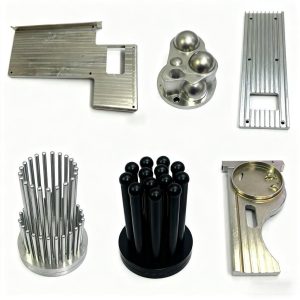
Phase 1: Prototyping – Proving Form, Fit, and Function
The primary goal of prototyping is learning. Each prototype iteration should answer specific questions and reduce technical and business risk.
1. Material Selection: From “Works-Like” to “Looks-Like”
Your material strategy should evolve with your prototype’s purpose.
- Proof-of-Concept (POC) Prototypes: Focus on function. Use machinable plastics like ABS or UHMW or standard aluminum 6061 to test mechanisms and basic functionality quickly and cost-effectively. Material biocompatibility is not yet a priority.
- Form & Fit Prototypes: Test ergonomics and assembly. Materials should mimic the final product’s weight and feel. Anodized aluminum or specific injection-molding-grade plastics are common here.
- Functional / Pre-Clinical Prototypes: This is where material choice becomes critical. You must use biocompatible materials intended for the final device, such as medical-grade stainless steel (316L), titanium (Ti6Al4V), or PEEK. This stage validates performance under conditions that simulate real-world use and begins material biocompatibility data generation.
2. Manufacturing Processes: Choosing the Right Tool for the Stage
- CNC Machining: The champion of medical device prototype manufacturing. It offers unparalleled flexibility, speed for design iterations, and the ability to use a wide range of solid, biocompatible materials. It’s ideal for complex geometries and achieving the tight tolerances required for surgical tools or implantable components.
- 3D Printing (Additive Manufacturing): Excellent for creating complex, monolithic geometries impossible with machining. Sterilizable resins (like certain biocompatible SLA resins) and powders (like Ti6Al4V for DMLS) are increasingly used for anatomical models, custom surgical guides, and some end-use components. However, surface finish and material validation for long-term implants can be challenging.
- Sheet Metal Fabrication: Best for enclosures, housings, and brackets for diagnostic or monitoring equipment. Fast for thin-walled structures.
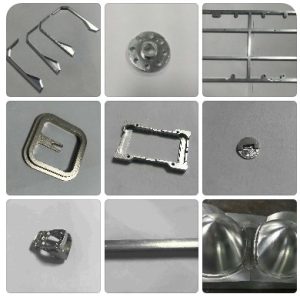
Phase 2: Low-Volume Production – Bridging to Market
Low-volume production (typically 50-5,000 units) serves pivotal goals: clinical trials, market testing, initial commercial launch, or supplying niche markets.
1. The Manufacturing Pivot: From Flexibility to Repeatability
The mindset must shift from “making one perfect part” to “making hundreds of identical parts consistently.”
- Design for Manufacturability (DFM) is Mandatory: Re-evaluate your prototype design with a manufacturing engineer. Can undercuts be eliminated? Can tolerances be relaxed without affecting function? Standardizing fastener sizes and simplifying assemblies reduces cost and failure points.
- Process Selection for Scale: While CNC machining is still viable for low volumes, it’s time to plan for higher-efficiency processes. Low-volume injection molding using aluminum molds can be cost-effective for plastic components. Metal Injection Molding (MIM) becomes attractive for small, complex metal parts in higher quantities.
2. The Quality and Regulatory Foundation
This phase is where your Quality Management System (QMS) moves from theory to practice.
- Establishing Device Master Record (DMR) Elements: The processes, specifications, and drawings finalized during low-volume production form the core of your DMR. Every step must be documented.
- Process Validation (IQ/OQ/PQ): Even for “low” volume, critical manufacturing processes must be validated to prove they consistently produce parts meeting specifications. Installation Qualification (IQ), Operational Qualification (OQ), and Performance Qualification (PQ) protocols are executed.
- Supply Chain Control: You must qualify and audit key suppliers, especially for critical raw materials and contract manufacturing services. Certificates of Analysis (CoA) for materials become required documentation.
3. Sterilization and Biocompatibility: From Plan to Execution
- Sterilization Validation: You must validate that your chosen sterilization method (Ethylene Oxide, Gamma Radiation, Steam) effectively sterilizes the device without degrading its materials or function. This requires testing on units from your production process.
- Final Biocompatibility Testing: Comprehensive testing per ISO 10993 (cytotoxicity, sensitization, irritation, etc.) must be performed on devices manufactured using the final production process and materials.
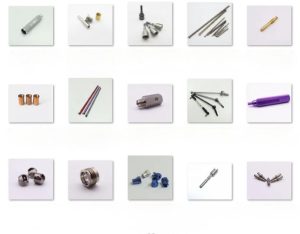
The Critical Partner: Choosing a Contract Manufacturer
The leap to low-volume production often requires a specialized partner. Look for a contract manufacturer (CM) with:
- Medical Device-Specific Expertise: Proven experience with medical-grade CNC machining and cleanroom assembly.
- Quality System Compliance: Operating under a ISO 13485:2016 certified quality management system is non-negotiable.
- Regulatory Support: Ability to provide necessary documentation (device history records, inspection reports) and support your regulatory submissions.
- Scalability: The capability and willingness to scale production with you, offering insights into design changes that will aid high-volume manufacturing later.
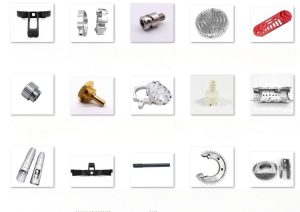
Conclusion: Building a Seamless Path Forward
The most successful medical device companies view prototyping and low-volume production not as isolated phases, but as connected stages of a single, strategic continuum. Decisions made during prototyping—in material selection, design, and partner choice—directly impact the cost, timeline, and success of pilot production and full-scale launch.
By rigorously applying design controls, engaging early with manufacturing and regulatory experts, and choosing partners who understand the journey, you transform these challenging phases from bottlenecks into powerful accelerators for your medical device.
Are you planning your medical device’s path to production? Our team specializes in guiding innovations from prototype through low-volume manufacturing within an ISO 13485 framework. Contact us to discuss how we can help de-risk your development timeline.