
When Every Detail Matters: Why Communication Housings Are Different
In the world of communication equipment – from 5G base stations to satellite receivers – the housing isn’t just a protective cover. It’s an integral component that affects signal integrity, thermal management, reliability, and even brand perception. At Lenchor Precision, we’ve machined hundreds of communication housings, and we’ve learned that success depends on understanding how design, material, and manufacturing intersect.
Phase 1: The Foundation – Strategic Material Selection
Aluminum Alloys: The Go-To Choice for Communication Housings
Why aluminum dominates:
- Excellent thermal conductivity (up to 220 W/mK)
- Good strength-to-weight ratio
- Natural EMI/RFI shielding properties
- Machinability that enables complex designs
Common choices in our shop:
- 6061-T6: General purpose with good all-around properties
- 6063: Better surface finish for aesthetic components
- 5052: Superior corrosion resistance for outdoor applications
- 7075: Where maximum strength is required
When to Consider Alternatives
- For extreme environmental resistance
- When additional structural support is needed
- High-wear applications like connector interfaces
Engineering Plastics (POM, Polycarbonate):
- For non-conductive requirements
- Chemical resistance in specialized environments
- Cost-effective prototypes
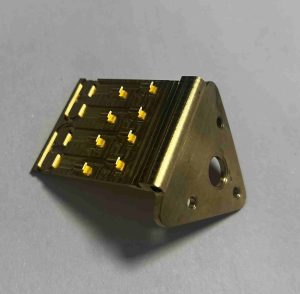
Phase 2: Thermal Management – More Than Just Heat Sinks
The Invisible Challenge: Heat in Communication Equipment
Modern 5G equipment generates significant heat in confined spaces. Without proper thermal design, components can overheat, leading to signal degradation, reduced lifespan, or complete failure.
Design Strategies We Implement
Integrated Heat Dissipation Features:
- Optimized fin designs that balance surface area with airflow
- Strategic material distribution to create thermal pathways
- Direct component contact surfaces with precise flatness requirements
Natural Convection Enhancement:
- Vertical fin orientation to maximize chimney effect
- Calculated vent placement for optimal airflow
- Internal baffling to direct air over hot components
Conduction Pathways:
- Thermal interface surfaces with specific roughness requirements
- Mounting features designed for maximum contact pressure
- Material selection based on thermal expansion matching
Real-World Example: 5G Small Cell Housing
Recently, we manufactured housings for outdoor 5G small cells that needed to handle 150W of heat dissipation in all weather conditions. Our solution involved:
- Material: 6061 aluminum with specific thermal treatment
- Design: Angled fins with water drainage channels
- Manufacturing: Machined as single piece to eliminate thermal barriers
- Finishing: Chemical conversion coating for corrosion protection
The result: Operating temperatures 22°C lower than previous designs, with zero weather-related failures in 18 months of deployment.

Phase 3: Precision Machining – Where Design Becomes Reality
Tolerance Challenges in Communication Housings
Typical requirements we regularly achieve:
- Overall dimensions: ±0.1mm to ±0.2mm
- Critical interface surfaces: ±0.05mm
- Hole patterns for connectors: ±0.025mm
- Flatness of sealing surfaces: 0.1mm over 300mm
Specialized Machining Techniques
Thin-Wall Machining (for weight reduction):
- Special tool paths to minimize deflection
- Progressive machining with stress relief between operations
- Vibration damping techniques
- In-process measurement and compensation
Large-Part Machining (for base station housings):
- Specialized fixturing for stability
- Tooling selected for reach and rigidity
- Thermal management during machining
- Distortion prevention strategies
High-Mix, Low-Volume Adaptation:
- Modular fixture systems
- Quick-change tooling
- Program families for similar parts
- Efficient setup procedures
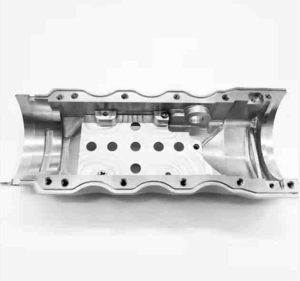
Phase 4: Surface Finishing – Protection Meets Aesthetics
Why Surface Treatment Matters
For communication equipment, surface finishing serves multiple critical functions:
- Environmental protection against corrosion
- EMI/RFI shielding enhancement
- Thermal performance optimization
- Aesthetic appeal for brand identity
Our Most Common Finishing Processes
Anodizing (Type II and Type III):
- Type II (Decorative): 5-25μm thickness, various colors available
- Type III (Hardcoat): 25-100μm thickness, superior wear resistance
- Benefits: Excellent corrosion resistance, electrical insulation, and durability
Powder Coating:
- Thicker protection (typically 60-120μm)
- Wide range of colors and textures
- Excellent UV resistance for outdoor applications
- Good impact resistance
Chemical Conversion Coatings:
- Chromate conversion: Good corrosion resistance, electrical conductivity
- Phosphate coating: Excellent paint adhesion base
- Thin film alternatives: RoHS compliant options
Specialized Finishes for Communication Equipment:
EMI/RFI Shielding Finishes:
- Electroless nickel plating with copper underlayer
- Zinc arc spray for retrofitting applications
- Conductive paints for specific frequency ranges
Thermal Enhancement Finishes:
- Black anodizing for improved radiation
- Specialty coatings with high emissivity
- Surface texturing for increased area
Quality Verification for Finishes
Every finished housing undergoes:
- Thickness testing (eddy current or magnetic methods)
- Salt spray testing (ASTM B117 for specified durations)
- Adhesion testing (tape tests per ASTM D3359)
- Color verification (spectrophotometer for critical applications)
- Electrical testing (for conductive or insulating requirements)
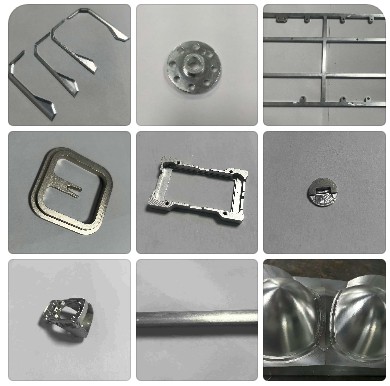
Phase 5: Assembly Integration – Designing for Manufacturing
The Forgotten Factor: Assembly Considerations
A beautifully machined housing is useless if components won’t fit or the assembly process is needlessly complex.
Design Features We Regularly Incorporate
Self-Locating Features:
- Precision-machined alignment pins and holes
- Gradual lead-in angles for connectors
- Visual alignment marks
Cable Management:
- Strain relief features
- Routing channels with smooth radii
- Retention clip mounting points
Serviceability Considerations:
- Tool access for fasteners
- Modular section designs
- Clear labeling locations
Sealing Solutions:
- Precision gasket grooves (typically ±0.1mm width tolerance)
- Surface finish specifications for sealing surfaces (usually 3.2μm Ra or better)
- Corner treatments to prevent leak paths
Common Challenges and Solutions
Challenge 1: Warping During Machining
Solution:
- Stress relief before final machining
- Balanced material removal
- Proper fixturing to minimize distortion
- Progressive machining with measurement between operations
Challenge 2: Maintaining EMI Integrity
Solution:
- Continuous electrical paths at joints
- Proper surface preparation for conductive finishes
- Special attention to fastener locations and types
- Testing with actual frequency ranges
Challenge 3: Corrosion in Outdoor Applications
Solution:
- Material selection for environment
- Complete coverage with protective finishes
- Drainage design to prevent water accumulation
- Dissimilar material isolation
Challenge 4: Cost vs. Performance Balance
Solution:
- Value engineering analysis
- Design for manufacturability reviews
- Material optimization
- Process efficiency improvements
Industry-Specific Applications
5G Infrastructure Equipment
Requirements: Lightweight, excellent thermal performance, weather resistance
Our approach: Thin-wall aluminum designs with hardcoat anodizing
Satellite Communication Equipment
Requirements: Extreme reliability, thermal cycling resistance, precision interfaces
Our approach: 7075 aluminum with specialized thermal management features
Enterprise Network Equipment
Requirements: Aesthetic appeal, good airflow, easy serviceability
Our approach: Combination of machining and finishing for brand alignment
Military Communication Gear
Requirements: Ruggedness, EMI hardening, environmental sealing
Our approach: Multi-material designs with specialized coatings
The Lenchor Precision Advantage
What sets our communication housing manufacturing apart:
Integrated Expertise:
We don’t just machine parts – we understand communication systems. Our engineers regularly consult on:
- Thermal performance optimization
- EMI/RFI mitigation strategies
- Environmental protection requirements
- Assembly and service considerations
Advanced Capabilities:
- 4-axis and 5-axis machining for complex geometries
- Large-part capacity up to 1500mm components
- In-house finishing department with anodizing and coating
- Full metrology lab for comprehensive verification
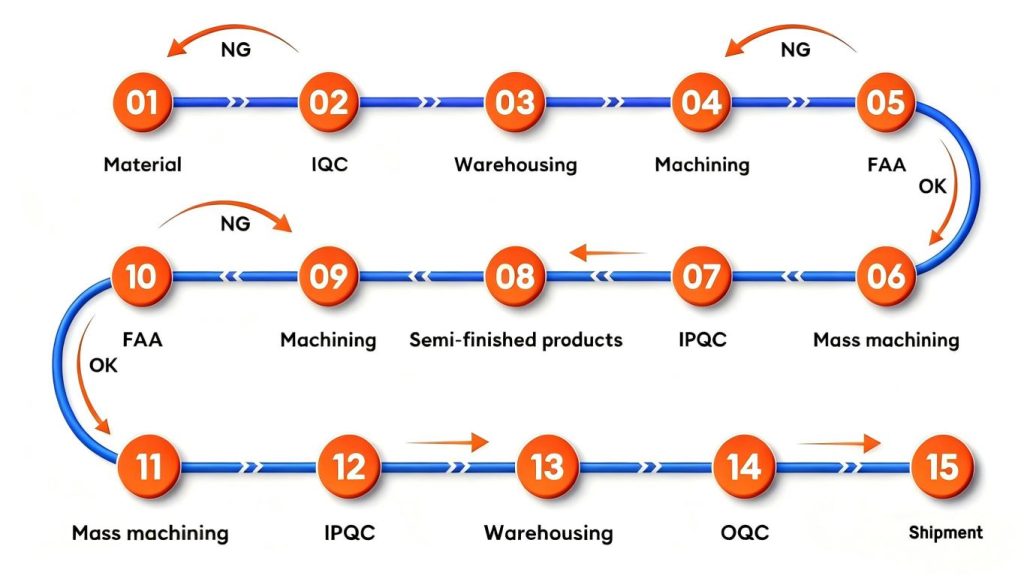
Quality Assurance:
- Material certification and traceability
- First article inspection with comprehensive reporting
- In-process quality checks
- Final verification against all specifications
Proven Track Record:
- Successful projects for 5G infrastructure providers
- Housings for satellite ground stations
- Components for military communication systems
- Enterprise network equipment enclosures
Looking Forward: Future Trends
Lightweighting Through Advanced Design
- Topology optimization software integration
- Hybrid material approaches
- Advanced cooling technologies
Sustainability Considerations
- Recyclable material selection
- Energy-efficient manufacturing processes
- Reduced chemical usage in finishing
Smart Manufacturing Integration
- IoT-enabled quality monitoring
- Predictive maintenance for equipment
- Digital twin technology for design validation
Your Next Steps
Whether you’re designing next-generation 5G equipment or upgrading existing communication systems, the housing decisions you make today will impact performance for years to come.
For New Designs:
Consider involving manufacturing expertise early. We regularly provide Design for Manufacturability (DFM) feedback that reduces costs by 15-30% while improving performance.
For Existing Products:
A manufacturing review might reveal opportunities for improvement. We’ve helped clients reduce weight by 20%, improve thermal performance by 35%, and cut manufacturing costs by 25% through process optimization.
Start the Conversation:
Send us your housing designs or requirements. We’ll provide:
- Manufacturing feasibility analysis
- Material and process recommendations
- Cost estimation with optimization suggestions
- Timeline for prototyping and production
In the fast-evolving world of communication technology, your equipment housing needs to be more than just a box. It needs to be a precision-engineered component that enhances performance, ensures reliability, and represents your brand’s commitment to quality.
Ready to optimize your communication equipment housings? Contact us today for a design review or quote. Email your CAD files to us or visit our website to learn more about our precision machining capabilities for the communication industry.