
Introduction
The foundation of any successful CNC machined part is the material from which it’s made. Selecting the right material is a critical decision that impacts not just the component’s performance, but also its manufacturability, weight, durability, and ultimately, its cost. At Lenchor, we work with a wide range of certified materials, from common alloys like aluminum and copper to stainless steel and engineering plastics. Our expertise lies in helping you navigate this choice. This comprehensive guide will compare the most popular CNC machining materials—Aluminum, Copper, Stainless Steel, and Engineering Plastics—to empower you with the knowledge to make an informed decision for your next project.
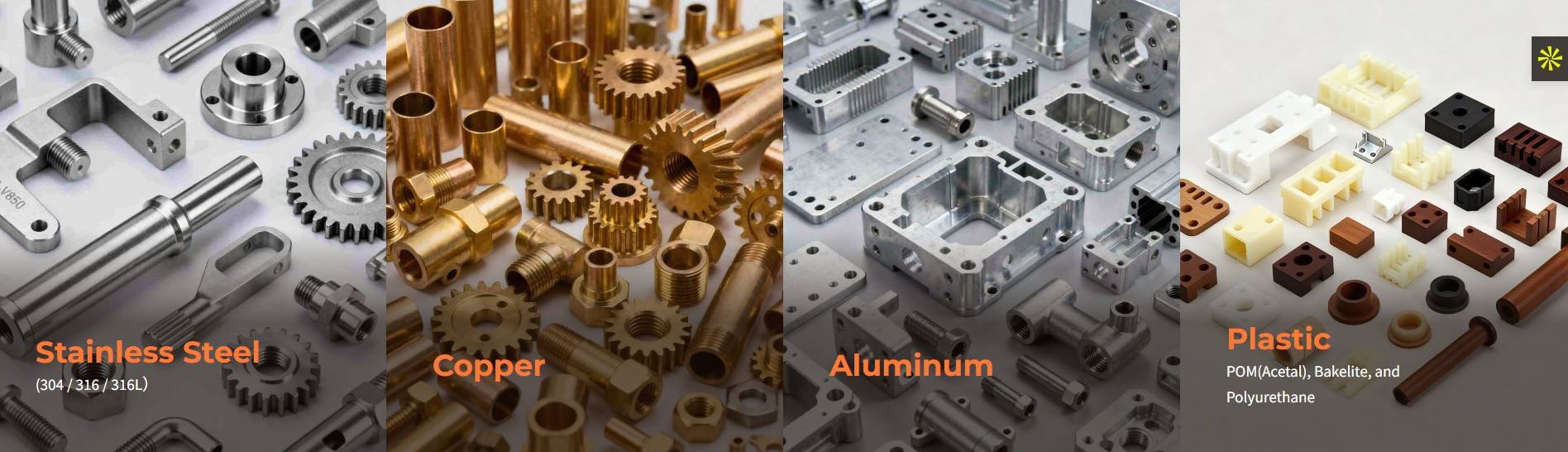
1. Aluminum: The Go-To for Lightweight Strength and Machinability
Aluminum is arguably the most widely used material in CNC machining, and for good reason. It offers an exceptional balance of properties that make it suitable for a vast array of applications.
- Key Properties:
- High Strength-to-Weight Ratio: Aluminum is lightweight yet strong, making it ideal for applications where weight savings are critical, such as in aerospace, drones, and automotive components.
- Excellent Machinability: It is soft and easy to cut, resulting in faster machining times, longer tool life, and lower overall cost compared to many other metals.
- Good Thermal and Electrical Conductivity: It effectively dissipates heat, making it a prime choice for heat sinks, enclosures for electronics, and LED housings.
- Natural Corrosion Resistance: Aluminum forms a protective oxide layer, providing good resistance to corrosion in many environments.
- Surface Finish: It responds very well to various surface treatments, particularly anodizing, which can enhance its appearance and corrosion resistance.
- Common Alloys & Their Uses:
- 6061: The most common general-purpose alloy. Excellent all-around characteristics for structural components, brackets, and housings.
- 7075: A high-strength alloy often used in aerospace and high-stress structural applications. It is stronger than 6061 but not as corrosion-resistant and slightly more difficult to machine.
- Lenchor’s Capability: We specialize in machining high-precision aluminum parts, maintaining tolerances as tight as ±0.01mm for critical features. Our rapid 3-7 day prototyping service is perfectly suited for aluminum components.
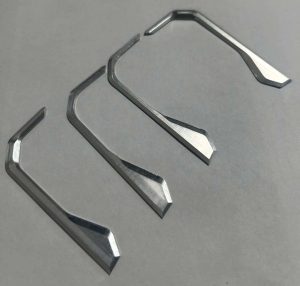
2. Copper & Its Alloys: The Ultimate Choice for Electrical and Thermal Conductivity
When your application demands the highest possible electrical or thermal conductivity, copper and its alloys are unbeatable. At Lenchor, we have extensive experience machining these sometimes tricky but crucial materials.
- Key Properties:
- Exceptional Conductivity: Copper offers the highest electrical and thermal conductivity among the common engineering metals, making it indispensable for electrical components like busbars, connectors, and terminals, as well as high-performance heat exchangers.
- Antimicrobial Properties: Copper surfaces naturally kill bacteria, a valuable property for medical and food-handling equipment.
- Ductility: It is very ductile, allowing it to be bent and formed without breaking.
- Common Types & Their Uses:
- Copper (C11000): Pure copper, used for its maximum conductivity. It can be challenging to machine due to its gummy nature, but our expertise ensures high-quality results.
- Brass: An alloy of copper and zinc. It is stronger than pure copper and has excellent machinability, making it a popular choice for decorative hardware, plumbing fittings, and electrical components.
- Bronze: An alloy of copper and tin, known for its wear resistance and low friction. Often used for bearings, bushings, and marine applications.
- Our Expertise: We understand the specific techniques required to achieve clean cuts and smooth surface finishes on copper and its alloys, preventing issues like material buildup on tools.
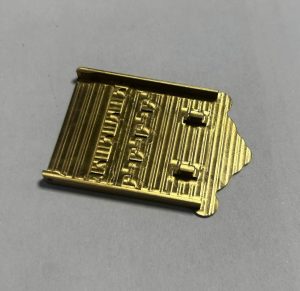
3. Stainless Steel: The Champion of Strength and Corrosion Resistance
When your application demands superior strength, hardness, and exceptional resistance to corrosion and heat, stainless steel is the material of choice.
- Key Properties:
- High Strength and Hardness: Stainless steel parts are incredibly durable and can withstand high stresses, impacts, and wear.
- Excellent Corrosion Resistance: The addition of Chromium creates a passive layer that protects the material from rust and staining, even in harsh environments. This makes it mandatory for medical, marine, and food-grade applications.
- High-Temperature Performance: Retains its strength at higher temperatures than aluminum.
- Hygienic Properties: Its non-porous surface and ease of sterilization make it ideal for surgical instruments, implantable device components, and food processing equipment.
- Common Grades & Their Uses:
- 304 Stainless Steel: The most widely used grade, offering good corrosion resistance and formability. Used in a variety of industrial and consumer applications.
- 316 Stainless Steel: Offers enhanced corrosion resistance, particularly against chlorides and acids, making it suitable for marine environments and chemical processing. Often referred to as “surgical steel.”
- Considerations: Stainless steel is denser (heavier) and tougher to machine than aluminum. It requires more powerful machines, specialized tooling, and slower cutting speeds, which generally results in a higher cost. Our workshop is equipped with robust CNC centers capable of handling these demanding materials efficiently.
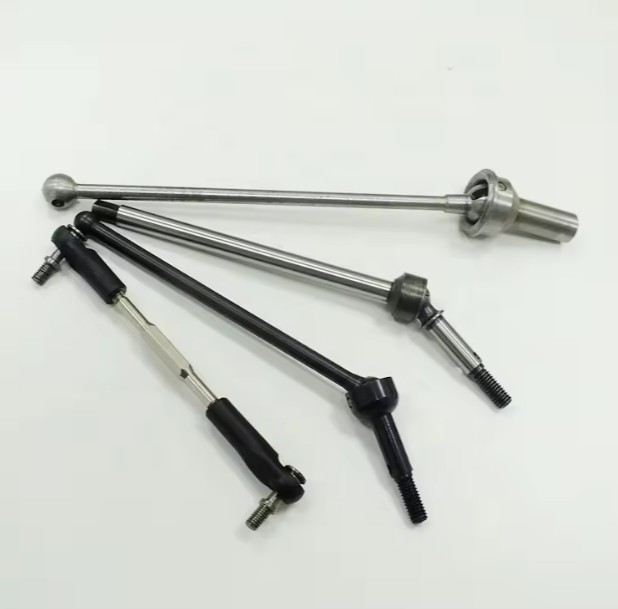
4. Engineering Plastics: The Solution for Specialized Applications
For parts that require electrical insulation, low friction, specific chemical resistance, or weight reduction without the need for metal’s strength, engineering plastics are an excellent option.
- Key Properties:
- Electrical Insulation: All plastics are excellent electrical insulators, making them safe for electronic enclosures, connectors, and jigs/fixtures.
- Low Friction and Self-Lubrication: Many plastics, like POM, have a low coefficient of friction and are self-lubricating, ideal for gears, bearings, and sliding parts.
- Chemical Resistance: Resistant to a wide range of chemicals, solvents, and oils.
- Lightweight: Significantly lighter than metals.
- Common Types & Their Uses:
- POM (Polyoxymethylene / Acetal): Known as ‘Acetal’ or by the brand name Delrin. It has high stiffness, low friction, and excellent dimensional stability. Perfect for precision gears, bearings, and insulators.
- Nylon (PA): A tough, wear-resistant plastic with good mechanical properties. Used in cable ties, rollers, and durable housings.
- Our Expertise: We machine a variety of engineering plastics to create lightweight, functional components. We also ensure that the materials we source, including plastics, comply with relevant standards like RoHS.
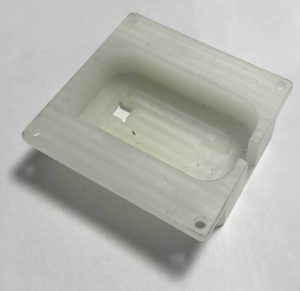
Head-to-Head Comparison Table
| Property | Aluminum (6061) | Copper (C11000) | Stainless Steel (304) | POM (Acetal) |
|---|---|---|---|---|
| Strength | Medium | Low | Very High | Low to Medium |
| Hardness | Low | Low | Very High | Medium |
| Weight | Light | Heavy | Heavy | Very Light |
| Corrosion Resistance | Good | Good (tarnishes) | Excellent | Good |
| Thermal Conductivity | High | Very High | Medium | Low |
| Electrical Conductivity | Good | Excellent | Poor | Insulator |
| Machinability | Excellent | Fair (Good for Brass) | Good | Excellent |
| Cost (Relative) | $ | $$ | $$$ | $$ |
Conclusion: Making the Right Choice with Expert Support
There is no single “best” material—only the best material for your specific application. The choice between aluminum, copper, stainless steel, and plastic hinges on the mechanical, thermal, electrical, environmental, and budgetary requirements of your project.
Need Help Specifying Your Material?
Leverage Lenchor’s engineering expertise. Contact us today with your project’s requirements, and we will recommend the optimal material and manufacturing strategy. As your one-stop source factory, we provide everything from material selection and DFM feedback to precision machining and certified quality control, ensuring your parts are built right from the very start.