
The Question Every Customer Asks
At Lenchor Precision, we hear this question daily: “How long will it take to machine this part?” While it seems straightforward, the answer is rarely simple. Lead time estimation in CNC machining involves balancing multiple variables – some obvious, others hidden. Understanding these factors not only helps set realistic expectations but often reveals opportunities to accelerate delivery without compromising quality.
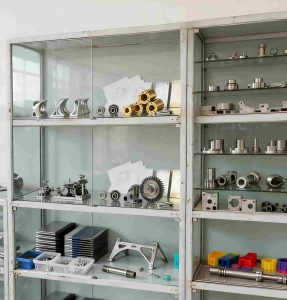
The 10 Key Factors That Determine Your CNC Lead Time
1. Part Complexity: The Obvious Starting Point
Simple Parts (1-3 days setup + machining):
- Basic geometries (plates, blocks, simple shafts)
- 2.5-axis machining
- Standard tolerances (±0.1mm or larger)
- Minimal secondary operations
Moderate Complexity (3-7 days):
- 3-axis with multiple setups
- Some 4th axis work
- Tighter tolerances (±0.05mm)
- Basic surface finishes required
High Complexity (7-14+ days):
- 5-axis simultaneous machining
- Thin walls or deep cavities
- Tight tolerances (±0.01mm or better)
- Multiple surface treatments
- Assembly or testing requirements
Example from our shop: A simple aluminum bracket might take 2 days, while a medical implant component with complex curvatures and ±0.005mm tolerances could take 12 days.
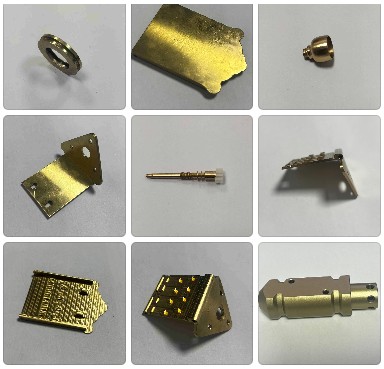
2. Material Availability: The Hidden Time Killer
Stock Materials (0-2 days delay):
- Common aluminum alloys (6061, 7075)
- Popular stainless steels (304, 316)
- Standard brass and copper
- Common plastic sheets and rods
Specialty Materials (3-10+ days delay):
- Medical-grade alloys
- Exotic metals (Inconel, titanium)
- Special tempers or conditions
- Imported materials requiring certification
- Low-volume custom formulations
Pro Tip: We maintain strategic stock of commonly requested materials, but always confirm availability during quoting. For one aerospace customer, switching from a specialty aluminum to our stocked 7075 saved 8 days without affecting performance.
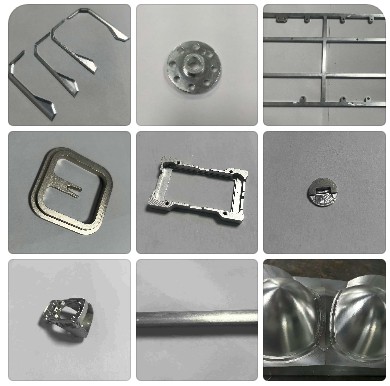
3. Machine Capacity and Scheduling: The Production Reality
Our Current Capabilities:
- 3-axis vertical mills: Typically 1-3 day wait
- 4-axis mills: 2-5 day wait
- 5-axis machines: 3-7 day wait (high demand)
- CNC lathes: 1-4 day wait
- Swiss-type lathes: 2-6 day wait
Peak Season Considerations:
- Q4 (October-December): Typically 15-20% longer lead times
- Post-trade show periods: Temporary capacity crunches
- Industry-specific busy seasons
4. Tooling and Fixturing: The Setup Time Component
Standard Tooling (Minimal delay):
- Common end mills and drills
- Standard inserts
- Basic workholding
Custom Tooling Requirements:
- Special form tools: 2-5 days
- Custom boring bars: 3-7 days
- Complex fixtures: 5-10 days
- Special inspection tools: 2-4 days
Case Study: A customer needed a complex internal gear. The custom gear hobbing tool added 6 days to lead time but was essential for quality. Planning ahead saved them 4 weeks versus last-minute discovery.
5. Quantity: The Economy of Scale
Prototype Quantities (1-10 pieces):
- Setup dominates the timeline
- Per-part machining time relatively high
- Inspection time per part significant
- Typical: 5-10 days
Small Batch (10-100 pieces):
- Setup amortized over more parts
- Fixture optimization possible
- Process refinement occurs
- Typical: 7-14 days
Production Runs (100-1000+ pieces):
- Optimized processes
- Dedicated tooling justified
- Statistical process control implemented
- Typical: 14-30 days depending on volume
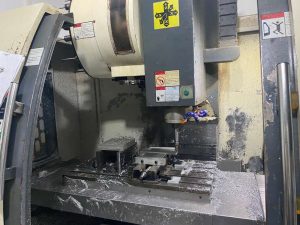
6. Tolerances and Quality Requirements: The Precision Penalty
Commercial Tolerances (±0.1mm):
- Standard machining practices
- Basic inspection
- Faster machining parameters possible
Precision Tolerances (±0.05mm):
- Slower, more conservative machining
- Temperature control considerations
- More frequent tool changes
- Adds 10-25% time
High Precision (±0.01mm or better):
- Specialized equipment required
- Environmental controls (temperature, humidity)
- Multiple inspection stages
- Possible secondary operations (grinding, lapping)
- Adds 50-100%+ time
7. Surface Finish Requirements: The Beauty Tax
Standard Finish (3.2μm Ra or rougher):
- Achievable with normal machining
- Minimal additional time
Fine Finish (1.6μm Ra or better):
- Slower machining speeds
- Special tooling or techniques
- Possible hand finishing
- Adds 15-30% time
Mirror Finish (0.4μm Ra or better):
- Specialized polishing processes
- Multiple finishing stages
- Stringent inspection
- Adds 50-150% time
8. Secondary Operations: The Sequential Delays
Common Secondary Operations and Their Time Impact:
Heat Treatment:
- Stress relief: 1-2 days
- Annealing: 2-3 days
- Hardening/tempering: 3-5 days
- Case hardening: 4-7 days
Surface Treatments:
- Anodizing: 2-3 days
- Powder coating: 2-4 days
- Plating: 3-5 days
- Special coatings: 5-10+ days
Additional Machining:
- Wire EDM: 2-4 days
- Grinding: 2-5 days
- Honing/lapping: 3-7 days
Assembly and Testing:
- Simple assembly: 1-3 days
- Complex assembly with testing: 3-10 days
9. Documentation and Compliance: The Paperwork Phase
Basic Documentation (1-2 days):
- Standard inspection reports
- Material certifications
- Packing lists
Advanced Documentation (3-7 days):
- First Article Inspection (FAI) reports
- Statistical process control data
- Process validation documentation
- Regulatory compliance packages (ISO, FDA, etc.)
Full Traceability (5-10+ days):
- Complete material traceability
- Process parameter documentation
- Operator and machine records
- Environmental condition logging
10. Shipping and Logistics: The Final Hurdle
Domestic Shipping (1-3 days):
- Ground transport within country
- Standard packaging
International Shipping (5-15 days):
- Customs documentation
- Export controls
- International carrier scheduling
- Possible inspections
Expedited Options:
- Express domestic: 1-2 days (premium cost)
- International express: 3-5 days (significant premium)
- Air freight: 2-4 days
Real-World Examples: From Our Production Floor
Case 1: The “Simple” Bracket That Wasn’t
Customer Request: “I need 50 aluminum brackets in 5 days.”
Initial Assessment: Looks like 2 days of work
Reality Check:
- Material: Special hard aluminum alloy – 4 day lead time
- Tolerances: ±0.02mm on critical holes – adds 1 day
- Surface: Hard anodize required – adds 2 days
- Documentation: Military spec paperwork – adds 2 days
Actual Timeline: 9 days
Solution: We suggested alternative material with same performance from stock, reduced non-critical tolerances, and different coating – delivered in 6 days.
Case 2: The Complex Medical Component
Requirements: Titanium surgical guide, ±0.01mm tolerances, mirror finish, full documentation
Expected Timeline: Customer expected 3 weeks
Our Process Breakdown:
- Material procurement: 5 days
- 5-axis programming and verification: 2 days
- Machining (including conservative parameters): 4 days
- Stress relief: 1 day
- Precision finishing: 3 days
- Documentation and inspection: 3 days
- Sterilization packaging: 1 day
Total: 19 days
Key Insight: The programming and verification stage was crucial – investing 2 days there saved 4 days in rework.
Strategies to Reduce Your Lead Times
1. Design for Manufacturability (DFM) Consultation
Before finalizing designs:
- Submit drawings for preliminary review
- Consider alternative features that are faster to machine
- Standardize materials when possible
- Allow reasonable tolerances
Our DFM service typically reduces lead times by 15-30% without affecting function.
2. Strategic Order Planning
For ongoing needs:
- Forecast and order material in advance
- Consider consignment stocking
- Bundle similar parts in same material
- Plan for seasonal variations
3. Communication Protocols
Provide complete information upfront:
- Full drawings with all requirements
- Material specifications
- Quantity expectations (short and long term)
- Quality and documentation needs
- Final use and operating environment
Complete information reduces back-and-forth and prevents misunderstandings that delay projects.
4. Partner, Don’t Just Purchase
Long-term partnerships enable:
- Priority scheduling during crunch times
- Material pre-stocking arrangements
- Process optimization over time
- Better understanding of your real needs
The Lenchor Precision Advantage: Our Approach to Timeline Management
Transparent Quoting Process
Our quotes include:
- Clear breakdown of time estimates
- Identification of potential bottlenecks
- Alternative options with different timelines
- Regular updates as projects progress
Capacity Management Strategy
We maintain:
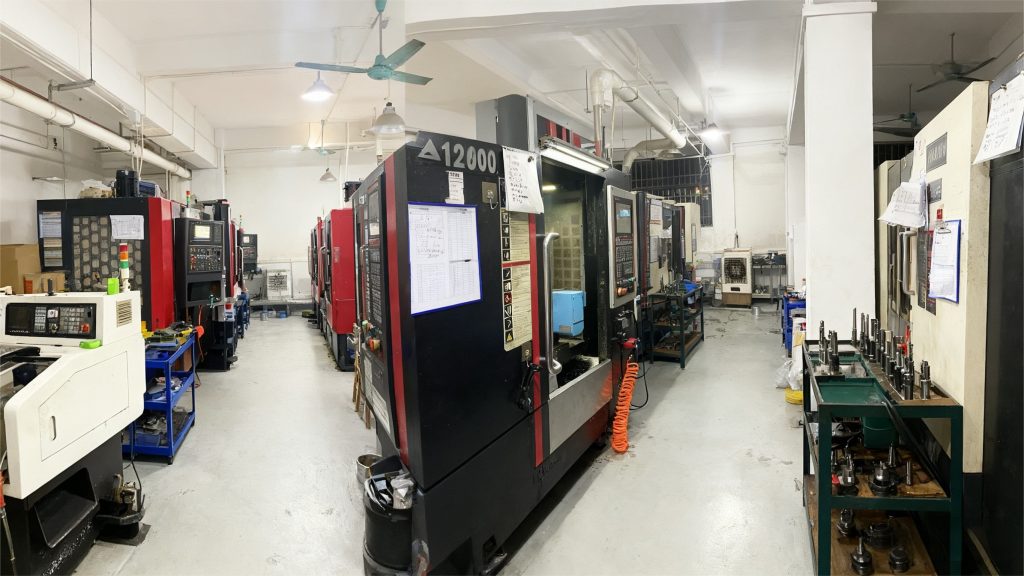
- Balanced machine portfolio to handle varying demands
- Strategic material inventory
- Cross-trained technicians
- Buffer capacity for urgent projects
Technology Investments That Save Time
Recent additions that reduce lead times:
- High-speed machining centers: 30% faster on aluminum
- Advanced CAM software: 40% reduction in programming time
- On-machine probing: 50% faster setup
- Automated tool management: Reduced changeover time
Common Misconceptions About CNC Lead Times
Myth 1: “More Machines Always Means Faster Delivery”
Reality: Proper scheduling and workflow often matter more than machine count. A well-organized shop with fewer machines can outperform a disorganized shop with more capacity.
Myth 2: “Overnight Shipping Solves Everything”
Reality: Express shipping only addresses the final step. If production takes three weeks, overnight shipping saves one day at most.
Myth 3: “The Cheapest Quote Has the Same Timeline”
Reality: Lower-cost shops often achieve prices by cutting corners on processes that ensure timely delivery, like proper fixturing or tool management.
Myth 4: “All Delays Are the Machinist’s Fault”
Reality: Many delays originate from incomplete information, late design changes, or material availability issues outside the machine shop’s control.
Looking Forward: Industry Trends Affecting Lead Times
Positive Trends (Reducing Lead Times)
- Improved CAM software with better simulation
- Additive manufacturing for complex fixtures and tools
- Better supply chain management systems
- Advanced predictive maintenance reducing downtime
Challenges (Potentially Increasing Lead Times)
- Increasing material certification requirements
- Global supply chain uncertainties
- Skilled labor shortages in some regions
- Rising quality expectations across industries
Your Action Plan for Better Timeline Management
Immediate Steps (Today)
- Review your current drawings for manufacturability opportunities
- Build relationships with 2-3 qualified suppliers
- Create complete specification packages for frequent parts
- Implement realistic planning buffers in your schedules
Medium-Term Strategy (Next 3-6 Months)
- Consolidate materials across parts where possible
- Establish forecasting for regular requirements
- Invest in DFM training for your design team
- Develop partnership agreements with key suppliers
Long-Term Approach (6-12 Months+)
- Consider consignment stocking for high-volume items
- Explore vendor-managed inventory arrangements
- Implement digital thread from design to delivery
- Regularly review and optimize your supply chain
How We Can Help You Meet Your Deadlines
At Lenchor Precision, we view lead time management as a collaborative effort. Here’s our commitment:
For Urgent Projects:
- Transparent assessment of what’s realistically possible
- Creative solutions to accelerate without compromising quality
- Clear communication throughout the process
For Planning Ahead:
- DFM consultations at the design stage
- Material planning assistance
- Production scheduling visibility
For Ongoing Production:
- Regular capacity updates
- Lead time trend analysis
- Continuous improvement initiatives
The question “How long will it take?” will always be complex, but it doesn’t need to be mysterious. With proper understanding of the factors involved and strategic partnership with your machine shop, you can achieve reliable, predictable lead times that support your business objectives.
Need a realistic timeline for your next CNC project? Send us your drawings and requirements. We’ll provide a detailed timeline breakdown with options for acceleration where possible. Visit our website or email us to start the conversation about predictable, reliable CNC machining lead times.