
If you’ve ever seen a network of fine, brittle cracks snaking across an otherwise sound stainless steel component, you’ve likely encountered the insidious failure known as Stress Corrosion Cracking (SCC). This stealthy problem can scrap expensive parts, cause unexpected downtime, and compromise the integrity of critical assemblies.
For machinists and engineers, understanding and preventing SCC isn’t just academic—it’s essential for delivering reliable, high-quality products. This guide breaks down the causes of stress corrosion cracking in stainless steel and provides actionable strategies to prevent it during CNC machining and design.
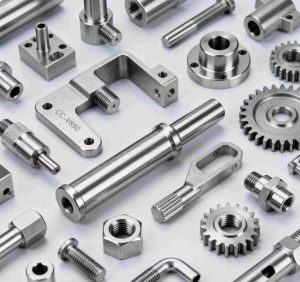
What is Stress Corrosion Cracking? The Perfect Storm
Stress Corrosion Cracking is a failure mechanism that requires three simultaneous conditions to occur:
- Susceptible Material: Certain stainless steel grades, notably 304 and 316, are particularly prone to SCC in specific environments.
- Tensile Stress: This is the key. It’s not just the operational stress from the part’s function, but more often, the residual stress locked into the material during manufacturing processes like machining, bending, or welding.
- Corrosive Environment: Chlorides (from salts, water, or even fingerprints) are the most common culprits. Even small concentrations at elevated temperatures can trigger SCC.
When these three factors converge, cracking can initiate and propagate, often with little to no visible corrosion on the surface. It’s a perfect storm that ruins components.
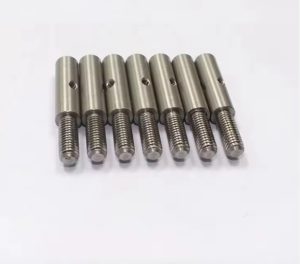
The Machinist’s Role: How CNC Machining Can Introduce Risk
Many believe SCC is purely a materials selection or operational issue. However, the CNC machining process itself is a major source of the tensile stresses that drive SCC.
- Tool Pressure and Heat: Excessive feed rates, dull cutting tools, or improper coolant can create high localized heat and plastic deformation. As the material cools, it leaves behind a layer of residual tensile stress on the machined surface.
- Part Distortion during Fixturing: Over-tightening a part in a vise or fixture can introduce significant clamping stresses that remain after machining is complete.
- Non-Optimized Toolpaths: Aggressive machining strategies that remove too much material in one pass can “work-harden” the surface and build up internal stress.
The part leaves your shop looking perfect, only to fail weeks or months later in the field. So, how do you stop it at the source?
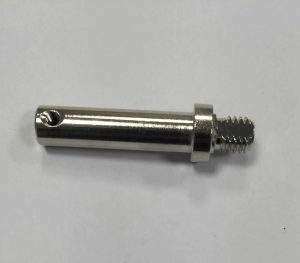
Proactive Strategies: Preventing SCC from the Ground Up
Here is a multi-pronged approach to mitigate the risk of stress corrosion cracking.
1. Material Selection: The First Line of Defense
If your component will serve in a chloride-rich environment (e.g., marine, chemical processing, coastal applications), consider more resistant grades from the start.
- 316L over 304: The molybdenum in 316/L offers better chloride resistance.
- Switch to a Duplex Stainless Steel: Grades like 2205 have a mixed microstructure that provides excellent resistance to SCC and higher strength.
- Consider High-Nickel Alloys: For extreme environments, alloys like Inconel or Hastelloy are highly resistant but come at a significantly higher cost.
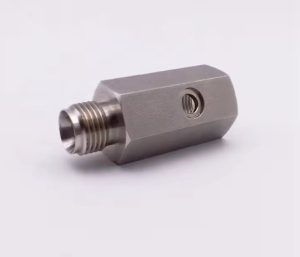
2. Smart Machining Practices to Reduce Residual Stress
Your choices on the shop floor are critical for preventing SCC in stainless steel.
- Sharp Tools and Climb Milling: Always use sharp, dedicated tools for stainless steel. Employ climb milling (down milling) techniques to minimize work-hardening and produce a cleaner cut with lower stresses.
- Optimized Feeds and Speeds: Use conservative parameters that minimize heat buildup. It’s better to take an extra pass than to rush and overstress the material.
- Consistent and Copious Coolant: Ensure effective coolant delivery to dissipate heat and prevent thermal distortion. This keeps the workpiece and tool as cool as possible.
3. The Critical Step: Post-Machining Stress Relief
For components destined for harsh environments, stress relief heat treatment is the most effective way to eliminate machining-induced stresses. The part is heated to a specific temperature (below its critical point), held, and slowly cooled. This process allows the stressed grains in the metal to relax and re-crystallize, dramatically reducing the risk of SCC.
4. Design and Handling for Success
- Avoid Stress Concentrators: Design with generous fillets and radii to avoid sharp corners where stress (and cracking) can concentrate.
- Proper Cleaning: Immediately after machining, thoroughly clean parts to remove chlorides from cutting fluids, coolants, or even hand sweat.
- Passivation: This chemical process enhances the natural protective oxide layer on stainless steel, improving overall corrosion resistance.
Partner with Experts Who Understand the Science
Preventing stress corrosion cracking requires a holistic view of the entire manufacturing process—from material selection and CNC machining strategy to post-processing and final application. It’s a complex challenge where experience and attention to detail make all the difference.
At Lenchor, we don’t just machine parts to print. We engineer solutions. Our team possesses deep expertise in material science and machining dynamics. We proactively recommend strategies—whether it’s selecting the right stainless steel grade, optimizing toolpaths to minimize stress, or advising on the necessity of stress relief heat treatment—to ensure your components are not only dimensionally accurate but also durable and reliable in their intended environment.
Don’t let a hidden flaw compromise your project. Partner with a machine shop that thinks critically about the entire lifecycle of your part.
Ready to machine stainless steel components with confidence? Contact us today to discuss your project and our preventive approach to quality.