
Selecting the right engineering plastic is a cornerstone of successful product design. While materials like ABS and Polycarbonate are well-known, many projects require a more specialized solution. This guide delves into four distinct workhorse materials: Bakelite, Polyurethane, Acrylic, and POM.
At LENCHOR, we provide precision CNC machining and custom injection molding services for a vast array of plastics. Understanding these materials’ unique profiles helps us partner with you to make the optimal choice for your component’s performance, cost, and manufacturability.
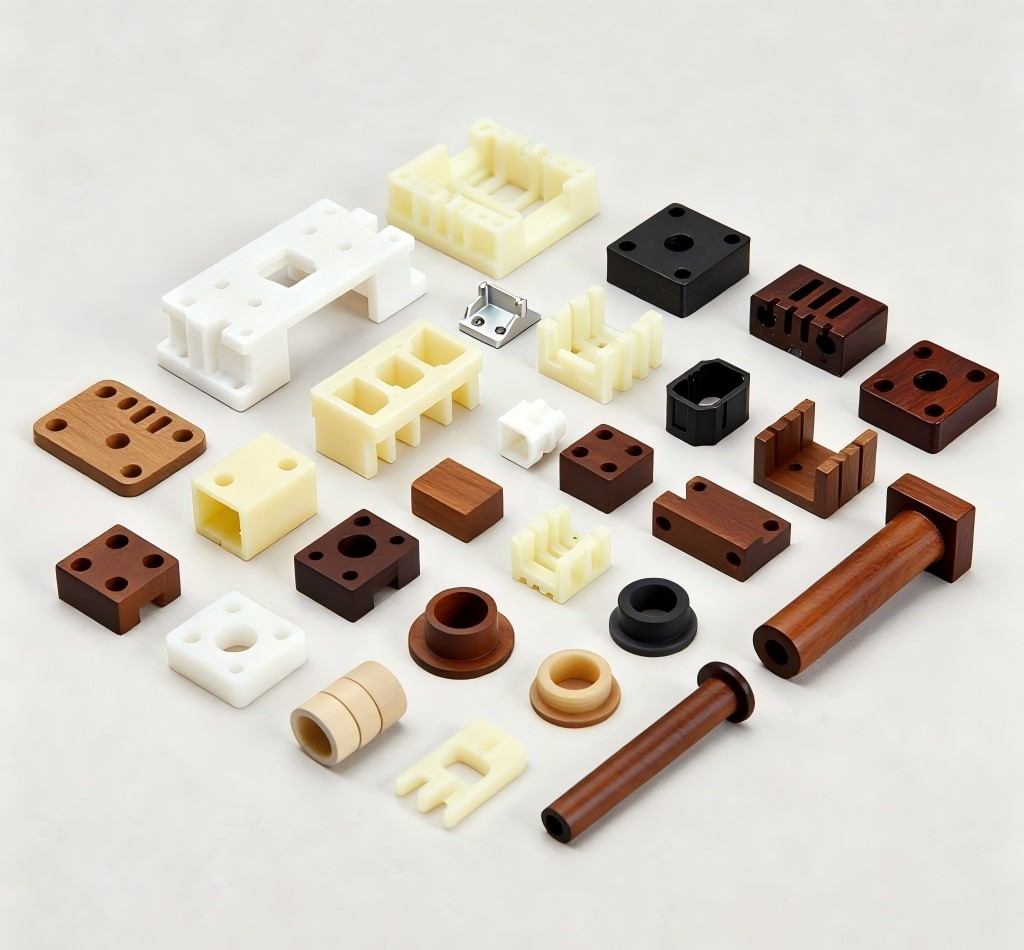
Material Snapshot: Strengths at a Glance
- Bakelite (Phenolic): The classic thermoset, prized for its exceptional heat resistance and electrical insulation.
- Polyurethane (PU): A versatile polymer family known for its outstanding toughness, abrasion resistance, and elasticity.
- Acrylic (PMMA): The “glass alternative,” celebrated for its brilliant clarity and excellent weatherability.
- POM (Acetal/Delrin): The “precision engineer’s plastic,” offering high strength, stiffness, and low friction.
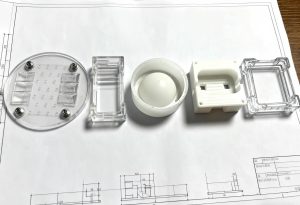
Deep Dive: Properties, Pros, and Cons
1. Bakelite: The Heat-Resistant Insulator
- Key Properties: Bakelite is a thermoset, meaning it does not melt but decomposes under extreme heat. It exhibits excellent heat and electrical insulation, good chemical resistance, and dimensional stability.
- Advantages: Its most significant advantage is its ability to withstand continuous high-temperature exposure, making it suitable for electrical components like terminal blocks and switchgear. It is also relatively inexpensive.
- Limitations: It is brittle and has poor impact strength. Its color options are limited (typically black or brown), and it cannot be recycled like thermoplastics.
- Ideal For: High-temperature electrical insulators, automotive distributor caps, and handles for cookware. It is primarily machined, making it a strong candidate for our CNC plastic machining services.
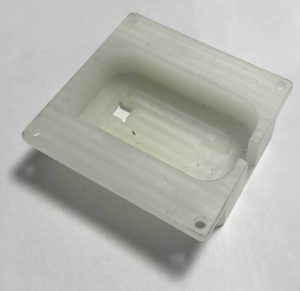
2. Polyurethane: The Flexible Performer
- Key Properties: PU’s standout feature is its wide range of hardness, from soft, flexible elastomers to rigid solids. It possesses remarkable abrasion resistance and toughness, absorbing impact that would shatter other plastics.
- Advantages: Extremely durable and resilient, resistant to oils, greases, and weathering. Its elasticity and load-bearing capacity are superior to many other plastics.
- Limitations: Can be susceptible to UV degradation and attack by certain solvents. The softer grades may not hold tight tolerances as well as rigid engineering plastics.
- Ideal For: Wheels, casters, gaskets, seals, and industrial rollers. Its versatility makes it suitable for both molding and machining depending on the formulation and part geometry.
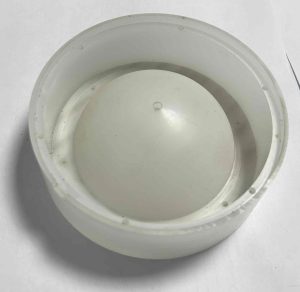
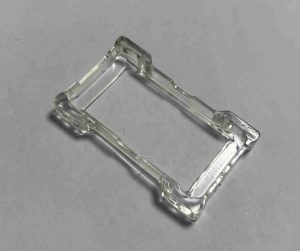
3. Acrylic (PMMA): The Crystal-Clear Choice
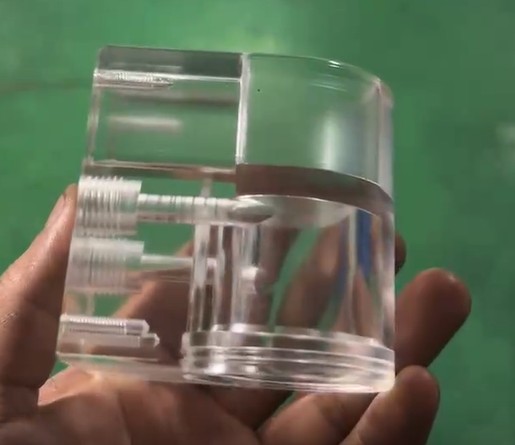
- Key Properties: Acrylic offers superior optical clarity and light transmission, outperforming glass and polycarbonate in these aspects. It has excellent weather resistance and UV stability.
- Advantages: Scratch-resistant than PC, easy to polish, and available in a vast spectrum of colors and transparencies. It is more cost-effective than polycarbonate for transparent applications not requiring high impact strength.
- Limitations: Relatively brittle and has poor impact resistance. It has a low heat resistance and is susceptible to cracking under stress.
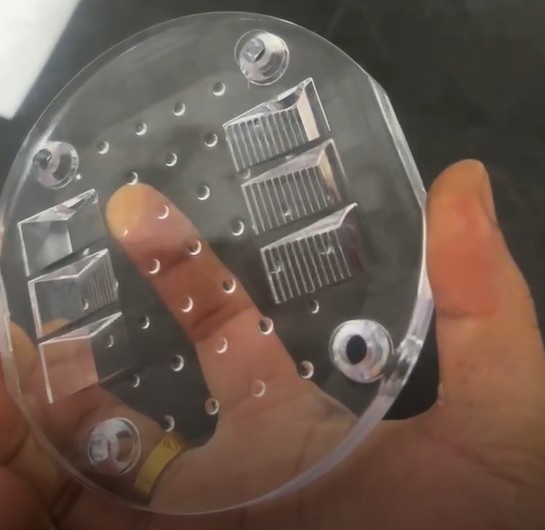
- Ideal For: Lighting fixtures, lenses, transparent shields, signage, and display cases. It is an excellent material for both injection molding and CNC machining to create crystal-clear prototypes and parts.
4. POM (Acetal): The Precision Workhorse
- Key Properties: POM is a stiff, strong, and rigid thermoplastic with a low coefficient of friction. It has excellent dimensional stability, creep resistance, and good chemical resistance.
- Advantages: Its combination of high mechanical strength, low moisture absorption, and natural lubricity makes it ideal for precision gears and bearings. It machines exceptionally well, producing clean, tight-tolerance parts.
- Limitations: Poor UV resistance and is difficult to bond. It is not suitable for applications involving strong acids or chlorinated solvents.
- Ideal For: High-performance engineering components such as gears, bearings, clips, fasteners, and conveyor parts. It is one of the most requested materials for precision CNC machining due to its superb machinability and stability.
Decision Matrix: How to Choose
| Material | Primary Strength | Key Weakness | Best Manufacturing Process |
|---|---|---|---|
| Bakelite | Heat & Electrical Insulation | Brittleness | CNC Machining |
| Polyurethane | Abrasion Resistance & Toughness | UV Sensitivity | Injection Molding, Casting |
| Acrylic | Optical Clarity & Weatherability | Impact Resistance | Injection Molding, CNC Machining |
| POM (Acetal) | Strength, Stiffness & Low Friction | UV Resistance | CNC Machining, Injection Molding |
Choose Bakelite for: High-heat electrical applications where machinability is key.
Choose Polyurethane for: Flexible, wear-resistant parts that need to absorb impact and vibration.
Choose Acrylic for: Any application demanding brilliant clarity and good outdoor performance.
Choose POM for: Precision mechanical components that require strength, stiffness, and low friction.
Partner with LENCHOR for Your Specialized Plastic Parts
Navigating the world of engineering plastics requires a partner with deep material knowledge and manufacturing expertise. At LENCHOR, we don’t just supply parts; we deliver solutions tailored to your specific requirements.
- Expert Material Selection: Our engineers provide comprehensive DFM feedback, helping you select the most cost-effective material that meets all your performance criteria.
- Advanced Processing: Whether your project requires the dimensional precision of CNC machining or the efficiency of high-volume injection molding, we have the technology and experience to process Bakelite, PU, Acrylic, POM, and many more.
- Consistent Quality: We maintain strict process control to ensure every part we deliver, from a machined POM gear to a cast polyurethane roller, meets your exact specifications and quality standards.
Unsure which of these specialized plastics is the perfect fit for your application?
Contact our engineering team today for a free consultation. Let us help you navigate the selection process and manufacture parts with confidence and precision.
Visit our website to explore our Plastic Machining & Molding Capabilities and Request Your Free Quote today!